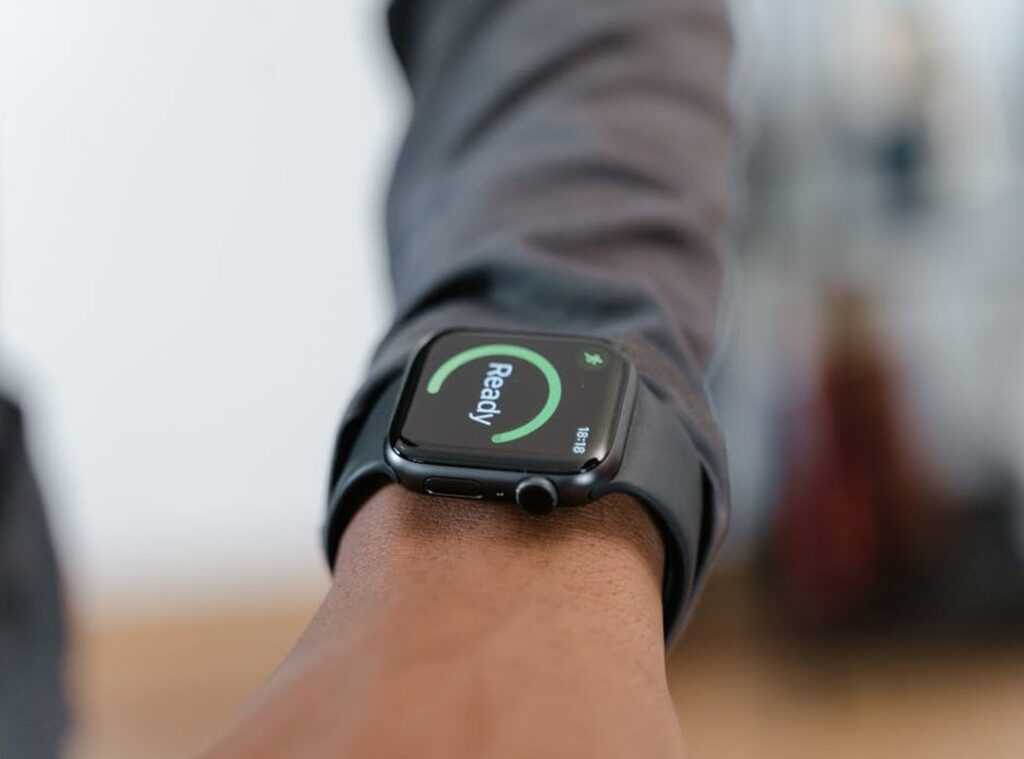
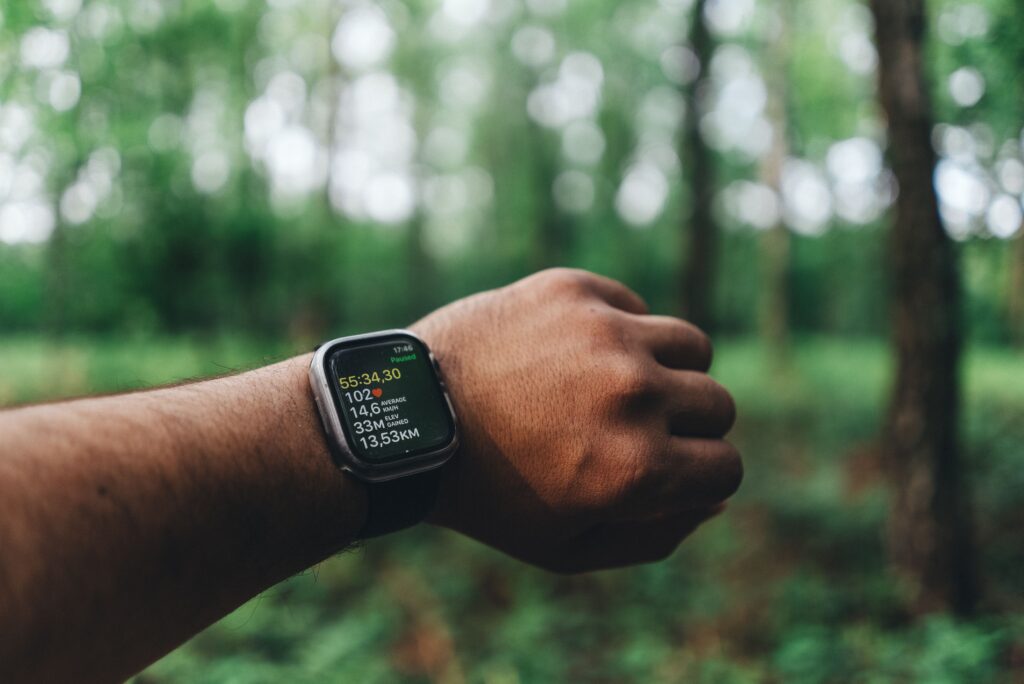
A smartwatch dashboard can look as authoritative as a fight-statistics table. Both display precise numbers, both invite comparisons and both can tempt the reader to draw a conclusion the data cannot support. A useful first step is to ask what each system observed and what it merely estimated.
Fitness-tracker data and MMA fight statistics answer different questions. One might describe an athlete’s recorded activity during a training session. The other records selected actions during a contest. Neither, on its own, provides a complete account of readiness, skill or the probability of winning the next fight.
Precision on screen is not the same as accuracy
A display showing a calorie estimate to the nearest unit does not establish that the underlying measurement is equally precise. The visual presentation tells you how the software reports its answer, not how close that answer is to the quantity being estimated.
In a 2017 study of seven wrist-worn devices, Shcherbina and colleagues tested 60 participants during laboratory activities. Heart-rate measurements generally performed better than energy-expenditure estimates. None of the tested devices achieved energy-expenditure error below 20 percent.
That finding is specific to the devices and activities studied. It is not a current ranking of every wearable, and it does not show how a particular modern device performs during grappling. The transferable lesson is to look for validation of the metric, device and activity you actually care about.
Distinguish observations from derived scores
A product may present several kinds of information together: a sensor reading, a calculated average, an estimate of calories and a composite readiness score. Treating every tile as the same kind of evidence makes the dashboard easier to overinterpret.
For any score, ask what goes into it and what outcome it was tested against. A repeatable score can still be poorly suited to predicting fight performance. Consistency is useful, but consistently measuring the wrong thing does not solve the original question.
Imagine two fictional athletes whose apps both show a readiness score of 85. Unless the scoring systems and input conditions are comparable, the matching numbers do not establish equivalent preparation. The score’s scale is part of its meaning, not a universal sporting unit.
Fight statistics have definitions too
The UFCStats glossary defines measures such as significant strikes absorbed per minute and takedown accuracy. These are summaries of recorded competitive actions, not direct measurements of oxygen uptake, muscular fatigue or injury status.
A low striking output might prompt you to inspect a bout, but it cannot tell you why the athlete threw less. Perhaps the opponent denied opportunities. Perhaps the fight spent more time on the ground. Perhaps the athlete chose a cautious approach. A physiological explanation is only one possibility, and public numbers may not distinguish between them.
Keep the chain of reasoning visible: observation first, interpretation second, prediction last. Skipping the middle step is how a modest data point becomes an unsupported claim about an athlete’s body.
Compare like with like before looking for a trend
Within a training log, an analyst should first check whether the activity, equipment and collection conditions were sufficiently similar. A change in the recording setup could explain a change in the graph. Missing sessions can also produce an attractive but incomplete account of a training block.
Fight-data comparisons need their own consistency checks. Was the same provider used? Are both athletes being compared across the same competitive level and time window? Did one fighter spend much more of the recorded time grappling?
As an illustrative example, compare 100 recorded actions in 20 minutes with 100 in 40 minutes. Equal totals do not imply equal rates. But the higher rate still does not prove superior fitness: you need to know what opportunities and constraints produced the actions.
Public data cannot substitute for a private assessment
A social-media screenshot is not an athlete’s complete training record. It may show a selected session, omit context or represent a metric whose construction is unknown. Do not infer an undisclosed medical problem, exceptional recovery or a guaranteed performance improvement from it.
For fans, the most useful role of technology is often organizational. Well-labelled information can make it easier to compare evidence and spot what remains uncertain. That is different from claiming that a device knows who will win a fight.
Readers interested in the competition side can explore the fight-statistics explainers in AgentMMA’s MMA Lab. They offer a route from unfamiliar labels to better questions about a matchup, without requiring private access to a fighter’s wearable account.
Ask for evidence behind prediction claims
When an app says its data can improve MMA predictions, ask what was predicted, when the prediction was recorded and how it performed on later contests. A polished dashboard, a convincing anecdote and a high reported accuracy rate are not interchangeable forms of validation.
The scikit-learn documentation on probability calibration explains why predicted probabilities should be checked against observed outcomes. A score that looks like a percentage needs a meaningful interpretation, not just a percentage sign.
The practical boundary is simple: use wearables to examine what they have been shown to measure, use fight statistics to examine recorded competition and require separate evidence for claims that connect either one to future results. Better analysis begins with knowing which question a number can actually answer.
 Hazel Brinkleyanday has opinions about advanced concepts. Informed ones, backed by real experience — but opinions nonetheless, and they doesn't try to disguise them as neutral observation. They thinks a lot of what gets written about Advanced Concepts, Tech Innovation Updates, FNTK Hardware Engineering Insights is either too cautious to be useful or too confident to be credible, and they's work tends to sit deliberately in the space between those two failure modes.
Reading Hazel's pieces, you get the sense of someone who has thought about this stuff seriously and arrived at actual conclusions — not just collected a range of perspectives and declined to pick one. That can be uncomfortable when they lands on something you disagree with. It's also why the writing is worth engaging with. Hazel isn't interested in telling people what they want to hear. They is interested in telling them what they actually thinks, with enough reasoning behind it that you can push back if you want to. That kind of intellectual honesty is rarer than it should be.
What Hazel is best at is the moment when a familiar topic reveals something unexpected — when the conventional wisdom turns out to be slightly off, or when a small shift in framing changes everything. They finds those moments consistently, which is why they's work tends to generate real discussion rather than just passive agreement.
Hazel Brinkleyanday has opinions about advanced concepts. Informed ones, backed by real experience — but opinions nonetheless, and they doesn't try to disguise them as neutral observation. They thinks a lot of what gets written about Advanced Concepts, Tech Innovation Updates, FNTK Hardware Engineering Insights is either too cautious to be useful or too confident to be credible, and they's work tends to sit deliberately in the space between those two failure modes.
Reading Hazel's pieces, you get the sense of someone who has thought about this stuff seriously and arrived at actual conclusions — not just collected a range of perspectives and declined to pick one. That can be uncomfortable when they lands on something you disagree with. It's also why the writing is worth engaging with. Hazel isn't interested in telling people what they want to hear. They is interested in telling them what they actually thinks, with enough reasoning behind it that you can push back if you want to. That kind of intellectual honesty is rarer than it should be.
What Hazel is best at is the moment when a familiar topic reveals something unexpected — when the conventional wisdom turns out to be slightly off, or when a small shift in framing changes everything. They finds those moments consistently, which is why they's work tends to generate real discussion rather than just passive agreement.