I’ve spent years breaking down how devices actually work and why some succeed where others fail.
You’re trying to quit smoking. You’ve probably tried before. Maybe patches didn’t work. Maybe gum felt pointless. Maybe you just went back to cigarettes because nothing else felt right.
Here’s the thing: quitting isn’t just about willpower. It’s about replacing a physical habit with something that works the same way but does less damage.
E-cigarettes guide fntkdevices exist because traditional cessation methods ignore half the problem. They address the nicotine but forget about the ritual. The hand motion. The inhale. The break from your desk.
I’m going to show you how these devices actually function from an engineering perspective. How the interface design matters. How nicotine delivery systems work differently depending on the hardware.
This isn’t about switching to vaping forever. It’s about using technology as a bridge to get you off combustible tobacco entirely.
We’ll walk through a practical framework for transitioning away from cigarettes. You’ll learn which device characteristics matter and which ones are just marketing. And you’ll understand how to gradually step down your nicotine intake using tools that were actually designed for that purpose.
No miracle cures. Just a technical breakdown of what works and why.
Understanding the Technology: Combustion vs. Vaporization
Here’s what most people get wrong about smoke-free devices.
They think it’s all the same. Just different ways to get nicotine.
But the technology? Completely different.
The real difference comes down to one thing: fire.
Traditional cigarettes burn tobacco. That combustion process is like a tiny chemical factory that produces thousands of compounds. Many of them harmful. When you light up, you’re creating reactions at temperatures above 600°C (that’s over 1100°F for reference).
Smoke-free devices work differently. They avoid burning anything.
Think of it like cooking. Burning your steak creates char and smoke. But heating it precisely? You get the flavor without the burnt mess.
Heated Tobacco Products
HTPs use what engineers call heat-not-burn technology.
Inside these devices sits a heating blade or ceramic element. Temperature sensors monitor everything in real time. The goal is to heat tobacco to around 350°C, which is hot enough to release nicotine and flavor but cool enough to prevent combustion.
No flame. No ash. No smoke.
The blade works like a sous vide for tobacco (minus the water bath). Precise temperature control is everything. Go too hot and you start burning. Too cool and nothing happens.
E-Vapor Devices
Vapes take a different approach entirely.
At the heart sits an atomizer. This is where a metal coil wraps around wicking material, usually cotton or silica. When you activate the device, electricity heats the coil. The wick soaks up e-liquid and delivers it to the hot coil.
What happens next is basic physics. Rapid heat transfer turns liquid into aerosol in milliseconds.
It’s similar to how a humidifier works, just faster and hotter. The coil temperature matters here too. Most operate between 200-250°C to create vapor without burning the liquid.
For more details on how these systems compare, check out this e-cigarettes guide Fntkdevices.
Nicotine Pouches
These skip inhalation completely.
The technology here is about material science and chemistry. The pouch itself uses food-grade materials that let nicotine pass through while keeping the contents contained. Inside, manufacturers use salt-based nicotine instead of freebase.
Why salt-based? It absorbs faster through oral tissue. Think of it like how sugar dissolves quicker in hot water than cold. The salt form just works better for this delivery method.
No heat. No vapor. Just chemistry doing its job.
Hardware Selection: Matching the Device to Your Habit
You walk into a vape shop and see dozens of devices staring back at you.
Which one actually fits your needs?
Some people say just grab the cheapest option and see how it goes. They figure all these devices do the same thing anyway, so why overthink it?
But that’s missing the point.
The device you choose affects everything. How satisfied you feel. How much you spend long-term. Whether you stick with it or go back to cigarettes. When considering your transition away from traditional smoking, the choice of Fntkdevices can significantly influence your satisfaction and long-term commitment to a healthier lifestyle. Choosing the right Fntkdevices is crucial for anyone looking to transition away from traditional smoking, as it directly impacts your overall satisfaction and long-term commitment to a healthier lifestyle.
I’m going to walk you through what actually matters when picking hardware.
Form Factor: What Feels Right
Cigalikes look and feel like real cigarettes. They’re familiar. You hold them the same way, use them the same way.
Pod systems strip away the complexity. You snap in a pod and you’re done. No buttons to figure out (usually). No settings to mess with.
Mod systems give you total control. You adjust the power. You pick your tank. You build the experience you want.
The question isn’t which is BETTER. It’s which matches how you think about this habit.
Battery Life: Will It Last Your Day?
Battery capacity gets measured in mAh. Higher numbers mean longer runtime.
If you smoked a pack a day, you need serious capacity. A 300mAh pod system won’t cut it. You’ll be charging twice a day and that gets old fast.
Constant voltage devices give you the same hit every time. No surprises.
Variable wattage lets you tune the experience. Warmer vapor, cooler vapor, more throat hit, less throat hit. But you have to actually want to tinker with those settings.
Nicotine Delivery: How It Hits
Here’s where the e-cigarettes guide fntkdevices really matters.
Freebase nicotine is what traditional vapes used. It’s harsher on your throat. Takes longer to satisfy the craving. Works fine at lower concentrations with bigger devices.
Nicotine salts changed everything. Smoother hit. Faster absorption. Feels more like an actual cigarette.
Your starting strength depends on what you smoked: This is something I break down further in Hi Tech Devices Fntkdevices.
- Pack-a-day smoker? Start at 35-50mg salt nicotine
- Half-pack daily? Try 25-35mg
- Social smoker? 12-20mg should work
You can always adjust down. Starting too low just leaves you unsatisfied.
Maintenance: Time vs. Money
Disposables require ZERO work. Use it until it’s done. Toss it. Grab another.
But you’re paying for that convenience every single time.
Refillable pods need coil changes every week or two. Five minutes of work. Way cheaper over time.
Mod systems ask more from you. You need to understand coil building or at least coil selection. You maintain the device. You troubleshoot when something feels off.
The payoff? Lower running costs and a device that lasts years instead of weeks.
Pick based on how much you want to think about your device versus just use it.
The Transition Protocol: A 4-Step Cessation Framework
Look, I’m going to be blunt about something most people won’t say.
Quitting cold turkey is a setup for failure.
I know that’s not what you want to hear. The anti-smoking campaigns make it sound like you should just throw your cigarettes away and white-knuckle through it. Pure willpower, right?
Wrong.
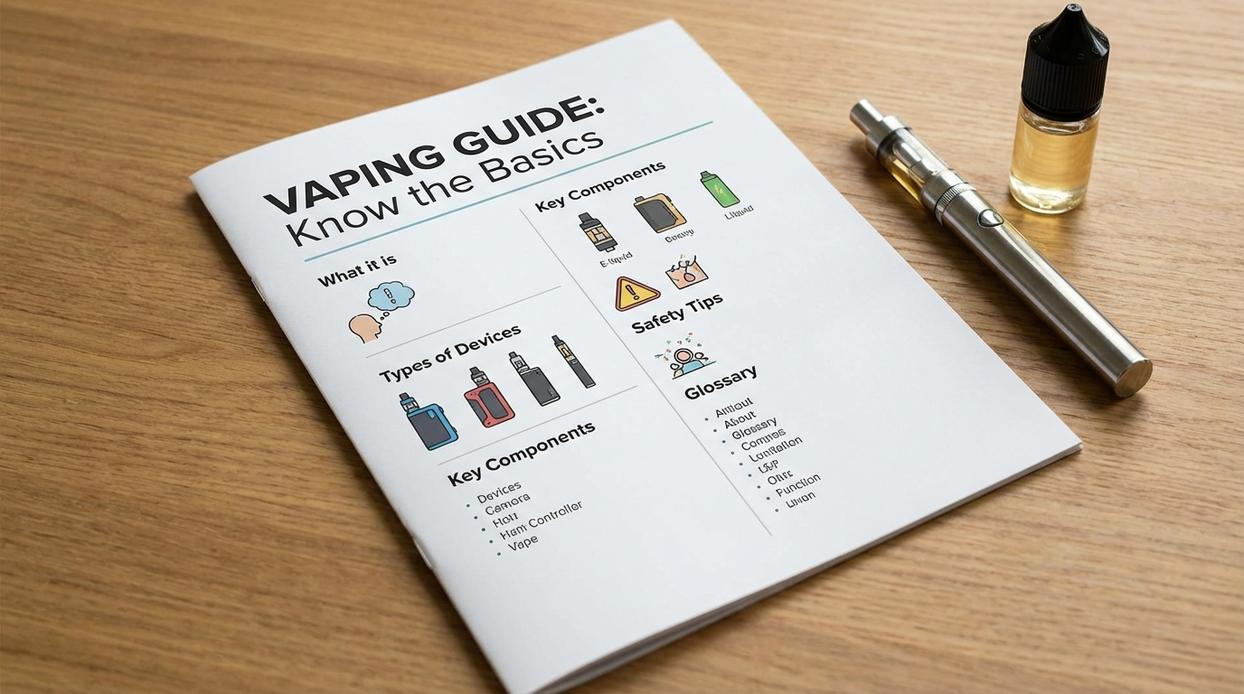
Here’s what I’ve learned works better. A protocol that treats you like an actual human being instead of a statistic.
Step 1: The Dual-Use Period (Weeks 1-2)
Don’t quit cigarettes yet.
I mean it. Keep smoking while you start using your new device. This isn’t about deprivation. It’s about substitution.
Give yourself two weeks to get comfortable with the device. Learn how it feels. Figure out when you reach for it versus when you still want a cigarette.
The fntkdevices latest tech devices from fitnesstalk e-cigarettes guide fntkdevices shows this dual-use approach reduces failure rates significantly.
No pressure. No guilt.
Step 2: Full Replacement (Weeks 3-4)
Now we set a date.
Pick a day in week three where you stop buying cigarettes completely. Not “cutting back.” Stopping.
This is where the psychological work begins. That after-dinner cigarette? That morning coffee ritual? You’re replacing those moments with something less harmful. As gamers begin to replace their old habits with healthier alternatives, it’s essential to consider the broader implications of technology on our daily routines, leading us to ponder, “What Are Autonomous Vehicles Fntkdevices” and how they might transform our interactions with the world around us. As gamers increasingly adopt healthier habits in place of their old routines, it raises intriguing questions about the future of technology and the interconnectedness of our choices, leading us to ponder, “What Are Autonomous Vehicles Fntkdevices” in this evolving digital landscape.
It won’t feel the same at first. That’s okay.
Step 3: Habit Stabilization (Month 2)
You’ve made it a full month without cigarettes.
Your goal now is finding the lowest nicotine level that keeps you comfortable. Not suffering. Not white-knuckling. Comfortable.
This phase breaks the behavioral chains. You’re proving to yourself that you don’t need combustible tobacco to function.
Step 4: The Tapering Phase (Month 3+)
Here’s where patience matters most.
Start stepping down your nicotine concentration. If you’re at 12mg, try 9mg. Then 6mg. Then 3mg.
Some people get to 0mg and stop using the device entirely. Others stay at low levels indefinitely.
Both outcomes beat smoking.
The timeline matters less than the direction. You’re moving forward, not staying stuck.
Troubleshooting Common Challenges: A Technical Perspective
“It Doesn’t Feel Satisfying”
I hear this one all the time.
You switch from cigarettes to vaping and something feels off. You’re inhaling. You’re getting nicotine. But that instant hit? It’s not there.
Some people will tell you that vaping and smoking are basically the same. That you should feel satisfied right away.
That’s not how it works.
Here’s what’s actually happening. Cigarette smoke delivers nicotine in a sharp spike. You light up and BAM. Your bloodstream gets flooded in seconds.
Vapor works differently. The absorption curve is slower. Not by much, but enough that your brain notices.
Think of it like this. Smoke is a shot of espresso. Vapor is more like drip coffee. Same caffeine, different delivery speed.
Your body needs about a week or two to adapt. Maybe less if you’re patient. Maybe longer if you’ve been smoking for decades.
Does that mean vaping won’t work for you? No. It means you need to give your nervous system time to adjust to a new nicotine delivery method.
Device Malfunctions
Leaking
Your device is leaking and you’re wondering if you got a defective unit.
Probably not.
Most leaks come from pressure changes. You left your device in a hot car. You flew somewhere. The air pressure shifted and pushed liquid through the seals.
Worn seals cause leaks too. Rubber degrades. O-rings get compressed. It’s basic hardware engineering.
Check your seals first. Replace them if they look flat or cracked.
Dry Hits
A dry hit tastes like burning. Because that’s exactly what’s happening.
Your wicking system failed to keep the coil saturated with liquid. The coil heated up with nothing to vaporize except cotton. And burnt cotton tastes awful. We break this down even more in Latest Tech Devices Fntkdevices.
This happens when you don’t prime your coil properly. Or when your liquid level gets too low.
Before you use a new coil, saturate the wick manually. Add a few drops directly onto the cotton. Let it sit for five minutes.
Keep your tank at least a quarter full.
Simple fixes that save you from that horrible taste.
(And if you’re curious about other device technologies, check out what are autonomous vehicles fntkdevices for more hardware insights.) For those eager to explore cutting-edge innovations, the Fntkdevices Latest Tech Devices From Fitnesstalk offer a fascinating glimpse into the future of technology, particularly in the realm of fitness and health. For gamers seeking the latest innovations to enhance their experience, the Fntkdevices Latest Tech Devices From Fitnesstalk showcase impressive advancements that could redefine how we interact with our favorite titles.
Engineering a Smoke-Free Future
I built FNTK Devices around a simple idea: technology should solve real problems.
Quitting smoking is hard because you’re fighting two battles at once. Your body craves nicotine and your brain craves the ritual. That’s why willpower alone fails most people.
This e-cigarettes guide fntkdevices gave you a different approach. You now have a technology-first framework that addresses both sides of the addiction.
The hardware matters. The protocol matters. Understanding how these devices work lets you use them as tools instead of just substitutes.
You don’t need to white-knuckle your way through withdrawal. You need a system that works with your brain instead of against it.
Here’s your next step: Take an honest look at your smoking habits. Figure out when and why you reach for cigarettes. Then choose a device that matches those patterns and commit to the first phase of the transition protocol.
The technology exists to help you quit. You just need to use it correctly.
Start today. Assess your habits and pick your device. The first step is always the hardest, but it’s also the only one that gets you moving.
 Tyvian Esthoven is the kind of writer who genuinely cannot publish something without checking it twice. Maybe three times. They came to tech innovation updates through years of hands-on work rather than theory, which means the things they writes about — Tech Innovation Updates, Emerging Interface Technologies, Device Optimization Techniques, among other areas — are things they has actually tested, questioned, and revised opinions on more than once.