Launching a new hardware product feels like jumping off a cliff. You know the stakes are high. A failed product means recalls, financial pain, and maybe worse.
This article is your lifeline, a guide to mastering hardware manufacturing QC. I’m pulling takeaways not from textbooks but from the trenches of hardware engineering. I promise we’ll go beyond generic advice.
We’ll build an actionable system that weaves quality control into each stage of production, not just at the end. When you’re done reading, you’ll have a blueprint, not a checklist. Ready to make hardware you can trust?
Let’s dive in.
The Foundation: Why Strong QC is Non-Negotiable
Let’s talk about Quality Control in hardware. It’s not just a last-minute check to catch defects. It’s a proactive plan that ensures consistency and reliability from the start.
If you’re thinking, “Isn’t that the same as QA?” No, it’s not. Quality Assurance (QA) focuses on the process, making sure everything runs smoothly. Quality Control (QC), on the other hand, is all about the final product.
It’s important in hardware manufacturing QC to make sure your devices don’t become jokes on tech forums.
Now, consider the Cost of Poor Quality (COPQ) in hardware. Direct costs are obvious: scrap materials, rework labor, and warranty claims. But what about indirect costs?
They’re the ones that keep executives up at night (damage) to your brand, loss of customer trust, and delays in getting your product to market. Imagine a smart device failing because of a tiny overlooked flaw in a component. That’s not just a defect; it’s a PR nightmare.
I remember a case where a smart thermostat failed spectacularly due to a minor component issue. The company faced huge backlash and lost a significant share of its market. This is why strong QC isn’t optional; it’s a lifeline.
If you’re still wondering why this matters, think about your reputation and what it costs to rebuild it.
For those interested in seeing how QC ties into broader strategies (like sustainability), check out sustainability hardware engineering fntk. It’s a must if you’re serious about hardware.
The QC Lifecycle: Quality at Every Stage
Let’s talk hardware manufacturing QC. The best quality control (QC) begins at the design and prototyping stage. You can’t just slap QC on at the end and hope for the best.
Designing for Manufacturability (DFM) and Design for Assembly (DFA) are foundational practices here. Why? Because if you get them wrong, you’re basically setting yourself up for failure down the line.
Tolerance analysis and material selection aren’t just fancy terms; they’re key to ensuring your design is even viable for production.
Next, we move to supplier and incoming materials (IQC). This step is all about verifying that raw materials and components from your suppliers meet the standards you’ve set. It’s not enough to trust that your suppliers will get it right.
Supplier audits? Absolutely necessary. If your materials don’t pass this stage, they shouldn’t even enter the production line.
It’s a way of saying, “We don’t mess around.” And if something’s off, it gets flagged immediately.
Once production starts, the focus shifts to In-Process Quality Control (IPQC). Here, you’re watching like a hawk. The goal is to catch problems as they happen.
This is where tools like Statistical Process Control (SPC) charts and regular line inspections play a starring role. They help keep things running smoothly. It’s like having a safety net to catch errors before they snowball into bigger issues.
It’s the moment of truth. Fail here, and all that previous work? Down the drain.
Finally, we reach the final product stage (FQC/OQC). This is your last line of defense before shipping. You inspect a sample against established criteria for functionality, safety, and aesthetics.
It’s that simple.
For a deeper dive into this process, the quality control in hardware production page is a great resource. It breaks down how QC isn’t just a checkbox but a continuous, integrated part of hardware manufacturing. Pop culture might not make QC glamorous, but trust me, it’s indispensable.
Your Engineering Toolkit: Important QC Methods and Instruments
When it comes to hardware manufacturing QC, I take my tools seriously. Dimensional and mechanical inspection are the backbone here. You know, the digital calipers and micrometers.
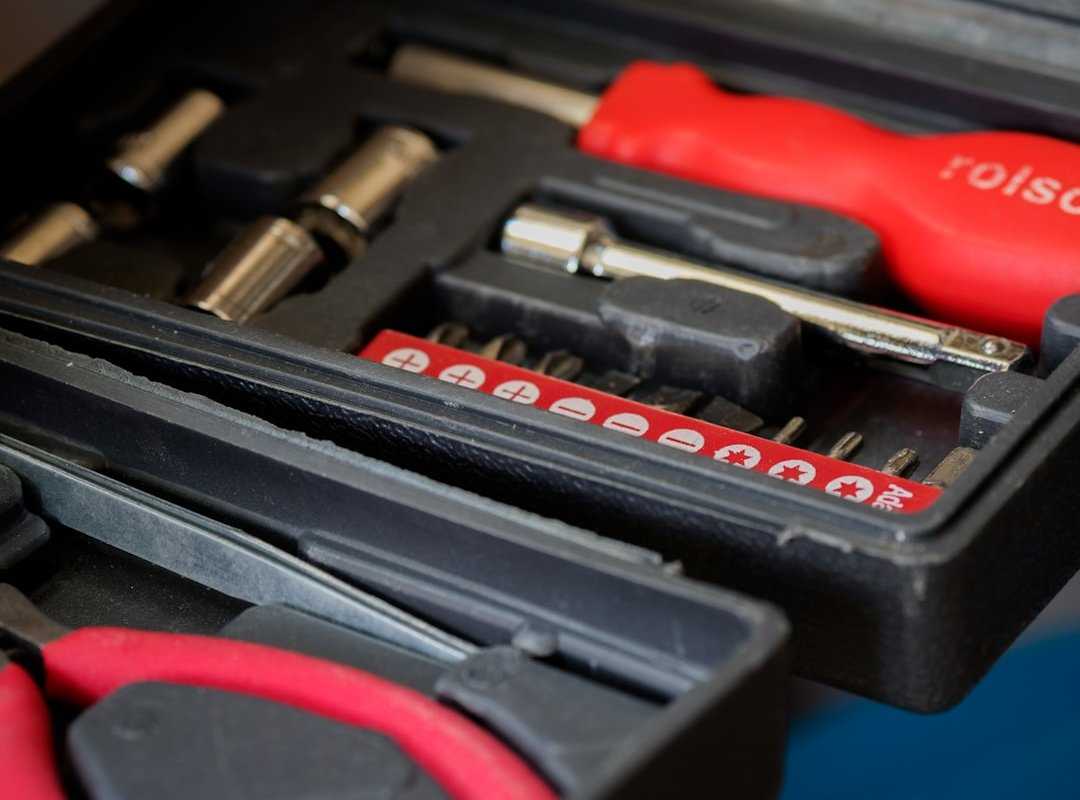
These are your go-to for precise measurements. Need something more complex? Coordinate Measuring Machines (CMMs) come into play.
They’re perfect for detailed geometries. But you’ve got to know what you’re doing or you’ll be lost.
Functional and reliability testing? It’s not just about slapping a device and seeing if it works. You need functional verification first (does it work as it should?).
Then move to environmental tests. Things like temperature and humidity can wreak havoc on hardware. Stress testing is another beast altogether.
Drop tests, vibration tests, and HALT/HASS push devices to their limits. These tests simulate real-world abuse. Weak points become glaringly obvious.
Visual and cosmetic inspection is all about having clear standards. If you don’t set objective criteria, you’re asking for trouble. Use limit samples and master samples to maintain consistency.
And don’t forget about standardized lighting conditions. It’s amazing how a change in lighting can alter perceptions. Consistency here is key.
Data drives everything in QC. Without a Quality Management System (QMS), you’re flying blind. Inspection reports and part traceability are your lifelines.
If an issue pops up, traceability is your ally in pinpointing the origin. Who knew documentation could be so key? (Hint: I did.)
For more details on integrating these QC methods into your workflow, check out this Inside Look Fntk Hardware Design Process. It’s a valuable resource that dives deeper into these processes.
In the end, your toolkit isn’t just about having the right tools. It’s about knowing how to use them effectively. That’s the difference between a good engineer and a great one.
The Next Frontier: AI and Automation in QC
Ever wondered how automation is reshaping quality control in hardware manufacturing? It’s like stepping into a sci-fi movie, but for real. Automated Optical Inspection, or AOI, is at the heart of this revolution.
These AI-powered vision systems are scanning printed circuit boards (PCBs) with an accuracy and speed that humans can’t match. They spot defects like missing components and faulty solder joints. All without breaking a sweat.
But wait, there’s more. Have you heard about predictive quality analytics? By collecting massive data from production lines, machine learning can foresee potential quality hiccups.
This means we can fix problems before they happen. Sounds like magic, right? It’s proactive instead of reactive, which saves time and money.
And let’s not forget about smart factories. IoT sensors are turning machinery into real-time monitors. They keep tabs on parameters like temperature and pressure, making sure everything stays within the right limits.
When things start to drift, the system flags it instantly. No room for error.
The integration of AI and IoT in hardware manufacturing QC isn’t just about technology. It’s about creating a smooth process that anticipates problems and improves product quality. Is there a more exciting time to be in this industry?
I doubt it.
Quality is a Journey, Not Just a Checkpoint
Why wait for defects to rear their ugly heads? The real cost of failure isn’t just financial. It’s reputational.
In the world of hardware manufacturing QC, quality isn’t an afterthought. It’s a mindset. You weave it into every stage of production.
That’s how you build trust and satisfy customers. Want to stay ahead of the competition? Start viewing quality as innovation’s partner.
It’s not just about catching mistakes. It’s about preventing them. Ready to transform your process?
Visit fntkdevices.com to discover how to turn quality into your best asset. Let’s build success together. Don’t just inspect (innovate.)
 Tyvian Esthoven is the kind of writer who genuinely cannot publish something without checking it twice. Maybe three times. They came to tech innovation updates through years of hands-on work rather than theory, which means the things they writes about — Tech Innovation Updates, Emerging Interface Technologies, Device Optimization Techniques, among other areas — are things they has actually tested, questioned, and revised opinions on more than once.