
Bringing a hardware product from concept to market has never been more complex. Engineers are under pressure to prototype faster, reduce costs, and catch design flaws before they become expensive manufacturing problems. If you’re exploring how digital twins in hardware development can streamline this process, you’re likely looking for practical insights—not just theory—on how virtual modeling transforms real-world device engineering.
This article breaks down how digital twins are reshaping modern hardware workflows, from early-stage simulation to lifecycle performance monitoring. We’ll examine how virtual replicas help teams test functionality, predict failures, and optimize designs before a single physical unit is built. Drawing on current engineering practices, emerging interface technologies, and real-world implementation trends, this guide delivers a clear, technically grounded overview of what works, what’s evolving, and how you can apply these innovations to accelerate development while minimizing risk.
Beyond the Blueprint: How Digital Replicas Are Revolutionizing Hardware Development
Traditional prototyping demands multiple physical builds; however, high-fidelity digital replicas simulate mechanics, thermals, and electronics before fabrication. As a result, teams detect stress failures, airflow inefficiencies, and PCB conflicts early. Some skeptics argue simulations can’t match real-world nuance. Yet physics-based modeling and real-time sensor data integration increasingly close that gap—reducing late-stage surprises and rework costs.
To illustrate:
| Feature | Benefit |
|—|—|
| Real-time simulation | Faster iteration cycles |
| Failure scenario testing | Lower risk before tooling |
| Integrated data models | Cross-team alignment |
When teams use digital twins in hardware development, they compress timelines, cut tooling expenses, and unlock bolder design experimentation.
What Is a Digital Replica? More Than Just a 3D Model
A digital replica (often called a digital twin) is a dynamic virtual model of a physical product that simulates its structure, behavior, and real-world performance. Unlike a static CAD file—which only shows geometry—a replica integrates physics engines, material properties, and sometimes live sensor data. Think of it as the difference between a photo of a car and a driving simulator that predicts how it handles in rain.
Some argue a detailed CAD model is enough. For simple parts, that can be true. But if you need performance validation, stress testing, or lifecycle forecasting, a static model falls short.
There are levels of fidelity:
- Component replicas that simulate individual parts
- Assembly models that test subsystem interactions
- Full system simulations mirroring devices and environments
If you’re building complex products, prioritize high-fidelity digital twins in hardware development. Pro tip: start small, validate assumptions, then scale complexity intentionally.
The Core Advantages: Why Virtual Prototyping Wins
When hardware teams in places like Shenzhen’s Huaqiangbei or Silicon Valley’s design labs talk about speed, they’re usually talking about virtual prototyping.
Some skeptics argue that nothing replaces a physical prototype on the bench. They’re not wrong—eventually, you need to solder the PCB and torque the fasteners. However, building too soon is where budgets quietly go to die.
-
Drastic Cost Reduction
First, consider materials, CNC tooling, injection molds, and lab time. A single aluminum enclosure revision can cost thousands in machining and days in turnaround. By contrast, a simulation run—whether finite element analysis (FEA) or computational fluid dynamics (CFD)—costs a fraction once the model is built. According to Deloitte, simulation-led design can reduce physical prototyping costs by up to 30% (Deloitte Insights). In other words, you fix flaws in code, not in metal (which is far cheaper). -
Accelerated Timelines
Next, virtual testing enables thousands of iterations before a single unit hits EVT (Engineering Validation Test). This “front-loading” of design identifies tolerance stack-ups and signal integrity issues early. While critics say simulations aren’t perfect, catching 80% of errors before tooling still saves months on the Gantt chart. -
Enhanced Performance & Reliability
Moreover, you can simulate thermal runaway, 1.5-meter drop tests, or MIL-STD-810 vibration profiles without destroying hardware. That’s the power of digital twins in hardware development—stress-testing products beyond real-world feasibility. -
Improved Collaboration
Finally, a centralized CAD and firmware model lets mechanical, electrical, and embedded teams work concurrently. Integration bugs surface in Slack threads, not in costly recall notices. Pro tip: lock version control early to prevent revision chaos.
Digital Replicas in Action: A Lifecycle Breakdown
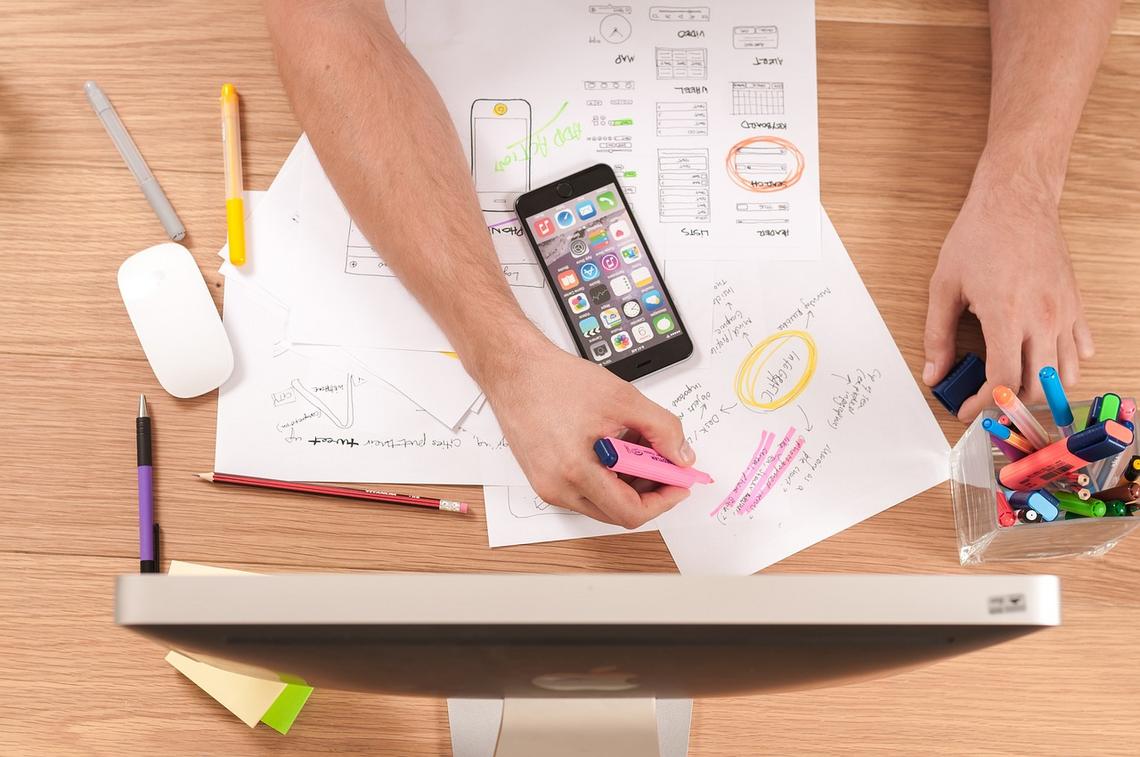
Digital replicas aren’t just flashy 3D models—they’re living, data-driven simulations of physical products. Think of them as a product’s virtual alter ego (the one that never sleeps). Here’s how they transform hardware development across the lifecycle.
-
Stage 1: Concept & Design
At the earliest phase, replicas enable ergonomic testing, form-factor validation, and bold experimentation—without cutting a single piece of metal. Engineers can test grip comfort, button placement, or screen angles in a fully virtual environment. I’ve seen teams scrap weeks of guesswork simply by identifying awkward thumb reach in simulation. Some critics argue physical prototypes are irreplaceable—and yes, they’re valuable—but why burn budget before you’ve pressure-tested the idea digitally? -
Stage 2: Simulation & Validation
This is the heart of the process. Engineers run structural, thermal, electromagnetic interference (EMI), and fluid dynamics simulations before production. Imagine a new handheld device overheating during gaming. Instead of discovering that flaw post-launch (nightmare scenario), you simulate heat dissipation, airflow paths, and material conductivity in advance. According to ASME, simulation-driven design can reduce physical prototyping costs by up to 30% (ASME.org). That’s not incremental—that’s strategic. -
Stage 3: Manufacturing & Assembly
Here’s where digital twins in hardware development prove indispensable. Teams simulate assembly lines, optimize workflows, and design jigs before parts exist. I’m convinced this stage is underrated—training technicians virtually prevents expensive floor mistakes (and bruised egos). -
Stage 4: Post-Launch & Sustaining Engineering
Once deployed, IoT sensor data feeds back into the replica. Engineers predict maintenance cycles, diagnose failures remotely, and refine next-gen designs. It’s a feedback loop that compounds innovation—especially when paired with insights from advanced materials powering next generation electronics.
In my view, ignoring this lifecycle approach today is like designing in the dark when you could just flip the lights on.
Implementation hurdles often start with cost: new software, simulation tools, and cloud infrastructure demand investment. Then there’s the skills gap—engineers must learn data modeling, automation, and systems thinking, not physical prototyping. In addition, teams face a cultural shift from testing atoms to trusting bits. However, digital twins in hardware development simplify complexity by creating virtual replicas that mirror real-world behavior.
Meanwhile, AI-integrated systems run generative design simulations—algorithms that test thousands of design variations. As a result, machines uncover optimized structures humans might overlook.
| Challenge | What It Means |
|—|—|
| Cost | digital investment |
| Skills | modeling expertise |
| Culture | Trusting simulation over physical tests |
Making the Digital Shift in Your Next Project
We’ve seen that digital replicas aren’t futuristic theory; they’re practical tools for building better hardware today.
Still skeptical? Some engineers argue physical prototypes feel more “real.” Fair—but they’re slow, expensive, and limiting. It’s time to use digital twins in hardware development to design, test, and refine safely in simulation.
Pro tip: Start with one high-risk component and model it completely before cutting material. The insights will expose hidden flaws (usually where you least expect them) and justify broader adoption.
Make the shift now. Your future iterations will thank you. Speed becomes strategy.
Build Smarter Hardware Today
You came here to understand how emerging tools are transforming the way hardware is designed, tested, and refined. Now you’ve seen how smarter workflows, simulation-first thinking, and especially digital twins in hardware development are reshaping innovation cycles.
The reality is clear: long prototyping cycles, costly design flaws, and late-stage failures slow teams down and drain budgets. If you’re feeling the pressure to ship faster while maintaining precision, you’re not alone. The good news? These modern engineering approaches give you the visibility and control to eliminate guesswork before it becomes expensive.
Now it’s time to act. Start integrating simulation-driven validation into your design process, explore digital twins in hardware development, and adopt tools that let you test before you build. Join thousands of forward-thinking engineers already leveraging next-gen hardware insights to reduce risk and accelerate breakthroughs.
Don’t let outdated processes hold your innovation back—upgrade your development strategy today.