
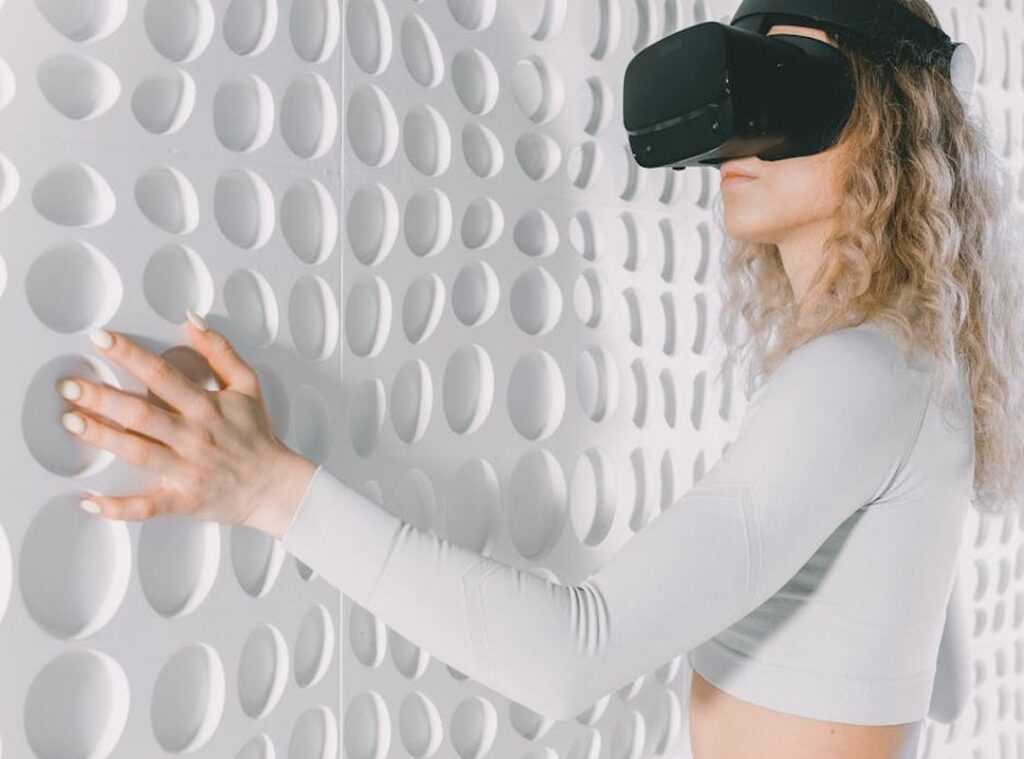
Touching a screen should feel more than just cold glass, right? As our devices get smarter, interacting with them still feels flat and lifeless. Why hasn’t this changed?
Enter haptic feedback interfaces, the tech that promises to transform those dull interactions. This article dives into the engineering magic that breathes life into digital touch. I know what you’re thinking, can it really make a difference?
Yes. From smartphones to gaming consoles, the future is tactile. We’ll explore the science behind it, where it’s used today, and what’s next.
Get ready to feel the digital world like never before.
The Core Mechanics: Getting Digital Interfaces to ‘Feel’
Let’s talk haptic feedback interfaces. It’s all about making screens feel real. But what is haptics really?
Simply, it’s the science of using forces or vibrations to trick your skin into feeling things. Remember those old pagers with basic vibrations? That’s the start.
Now think about tapping your smartphone and feeling a real button click. That’s high-fidelity feedback.
So how do we get from humdrum vibrations to sophisticated touch sensations? We need to dive into the actuators. First, there’s the Eccentric Rotating Mass (ERM).
This is your classic off-balance motor. It’s like the rumble of a gaming controller (basic) but effective for broad alerts.
And then we have Piezoelectric Actuators. They’re kind of magical, changing shape with electricity. This allows them to simulate textures and deliver subtle feedback.
Next up, Linear Resonant Actuators (LRA). Picture a speaker for your fingers. It’s all about precision, offering sharp taps and different feedback frequencies (your phone uses this tech).
It’s modern, no doubt.
What does this mean for the future of our devices? I’m not sure anyone can predict it with certainty. But Voice User Interface Designing Future might hold some clues.
Imagine combining tactile responses with voice interfaces. It’s a wild thought but definitely exciting.
So, does tactile response tech really make our digital world more engaging? I think so, but it’s complex. As we continue to innovate, we’ll push boundaries and blur lines between the virtual and real.
What’s next? I guess we’ll find out together.
Tactile Tech in Your Pocket: The Current State of Play
Ever felt the difference between the gentle buzz of an old Nokia and the precise tap of an iPhone? The evolution of haptic feedback interfaces is wild. Back then, a vibration meant a call or text.
Now, it’s a universe of sensations.
Smartphones have come a long way. We went from basic vibrations to Apple’s Taptic Engine, which makes it feel like you’re pressing a real button or turning a dial. It’s not just about noise or disturbance anymore; it’s about interaction.
You feel connected to your device. Why settle for less?
Gaming controllers? They’re a whole new ball game. Take Nintendo’s HD Rumble or Sony’s DualSense.
They don’t just rumble; they make you feel the tension of a bowstring or the pitter-patter of rain. Adaptive triggers? They mimic real-life resistance.
It’s like the game is in your hands, literally. If you’ve experienced it, you know what I mean.
And let’s not forget wearables. Smartwatches use distinct tactile patterns, so you know if it’s an email or a reminder without even looking. It’s genius.
You stay informed without being glued to your screen.
These advances aren’t just tech talk. They’re changing how we interact with devices. Curious about the future?
Check out haptic interfaces for more takeaways.
This tactile tech is more than a buzzword. It’s here, in your pocket, on your wrist, and in your hands. Feel that?
It’s the future.
Beyond the Screen: Shaping the Future with Tactile Interfaces
Haptic feedback interfaces are changing how we interact with technology, and it’s about time we moved beyond the basics. The medical world? It’s leading the charge with haptic feedback.

Surgeons now practice detailed procedures using simulators that mimic the resistance of real tissue and bone. It’s like training wheels for the OR (but way cooler).
In the automotive area, tactile feedback has taken the wheel. Literally. Touchscreens and steering wheels with this tech let drivers confirm commands without taking their eyes off the road.
Safety, meet innovation. Ever wondered why you still need to glance at your GPS? Tactile feedback is already fixing that oversight.
Virtual and augmented reality are chasing the holy grail of immersion. With haptic gloves, users can feel virtual objects’ texture, shape, and weight. Imagine playing a game where you can feel the rough bark of a tree or the slick surface of a metal wall.
Okay, it sounds sci-fi, but it’s real and happening now.
Let’s not forget accessibility. For the visually impaired, tactile feedback is a game changer. Devices create ‘haptic maps’ that translate text into touch-based patterns on screens.
For a deeper dive into the future of user interaction, check out Gesture Control Revolutionizing User Interaction. It’s about blending gestures with the tactile world.
You might call it innovation; I call it a breakthrough in independence.
Pro tip: Keep an eye on emerging tech companies. They’re often at the forefront of these shifts.
In short, tactile interfaces are more than a tech trend. They’re a revolution redefining industries. As these applications become mainstream, how long before we don’t remember life without them?
Is it overwhelming or exciting? I’d say it’s both.
Engineering Hurdles: A Journey with Touch
I’ve spent countless hours wrestling with the design of haptic feedback interfaces. Let me tell you, it’s not for the faint-hearted. You’d think simulating touch is easy, but achieving what’s called “haptic fidelity” is anything but straightforward.
Latency, that annoying lag, will ruin everything. I’ve been there. The tactile response needs to hit you instantly.
It’s a fancy term for making sure the feedback feels as real as it looks or sounds. Miss that mark, and the illusion crumbles.
A split-second delay and you’re pulled right out of the experience. Imagine playing a game where every punch lands a second too late. It’s like trying to watch a movie with the sound out of sync (a nightmare, right?).
Then there are the trade-offs. You have to balance power consumption, size, and richness of feedback. It’s a juggling act.
More power means better sensation, but at what cost? Devices can’t be bulky, so actuators have to be tiny yet effective. You lose one thing to gain another.
It’s frustrating, but also kind of thrilling.
The psychology of touch is another beast. How do you design a touch system that every user, from every culture, finds intuitive? It’s like creating a universal language.
A smile means the same thing everywhere, can we say the same for a vibration pattern?
In the end, it’s a blend of science and art. You end up talking more about feel than numbers. And sometimes, sheer instinct guides the way.
Touch is personal, after all.
Feel the Future Now
Ever feel like your device is cold, lifeless? That’s changing with haptic feedback interfaces. We’re moving beyond just seeing and touching into truly feeling our digital world.
This tech is not just cool. It’s a game-changer, turning screens into something more human. Think about your next device.
Is it just another screen, or does it actually connect with you? It’s time to expect more. Dive into this new era where devices respond and engage.
Visit fntkdevices.com for updates. Don’t settle for the old way. Feel the difference.
It’s the future. Your future. Ready to experience it?
 Hazel Brinkleyanday has opinions about advanced concepts. Informed ones, backed by real experience — but opinions nonetheless, and they doesn't try to disguise them as neutral observation. They thinks a lot of what gets written about Advanced Concepts, Tech Innovation Updates, FNTK Hardware Engineering Insights is either too cautious to be useful or too confident to be credible, and they's work tends to sit deliberately in the space between those two failure modes.
Reading Hazel's pieces, you get the sense of someone who has thought about this stuff seriously and arrived at actual conclusions — not just collected a range of perspectives and declined to pick one. That can be uncomfortable when they lands on something you disagree with. It's also why the writing is worth engaging with. Hazel isn't interested in telling people what they want to hear. They is interested in telling them what they actually thinks, with enough reasoning behind it that you can push back if you want to. That kind of intellectual honesty is rarer than it should be.
What Hazel is best at is the moment when a familiar topic reveals something unexpected — when the conventional wisdom turns out to be slightly off, or when a small shift in framing changes everything. They finds those moments consistently, which is why they's work tends to generate real discussion rather than just passive agreement.
Hazel Brinkleyanday has opinions about advanced concepts. Informed ones, backed by real experience — but opinions nonetheless, and they doesn't try to disguise them as neutral observation. They thinks a lot of what gets written about Advanced Concepts, Tech Innovation Updates, FNTK Hardware Engineering Insights is either too cautious to be useful or too confident to be credible, and they's work tends to sit deliberately in the space between those two failure modes.
Reading Hazel's pieces, you get the sense of someone who has thought about this stuff seriously and arrived at actual conclusions — not just collected a range of perspectives and declined to pick one. That can be uncomfortable when they lands on something you disagree with. It's also why the writing is worth engaging with. Hazel isn't interested in telling people what they want to hear. They is interested in telling them what they actually thinks, with enough reasoning behind it that you can push back if you want to. That kind of intellectual honesty is rarer than it should be.
What Hazel is best at is the moment when a familiar topic reveals something unexpected — when the conventional wisdom turns out to be slightly off, or when a small shift in framing changes everything. They finds those moments consistently, which is why they's work tends to generate real discussion rather than just passive agreement.